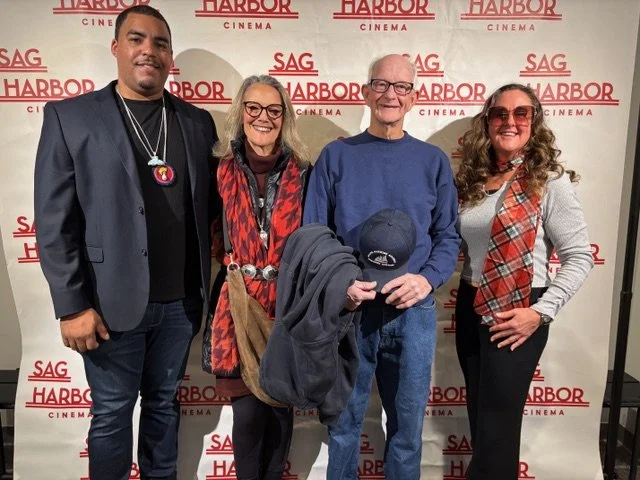
Sag Harbor Cinema’s “Projections” Series Presents “The Bonackers Project: Currents of Memory & Meaning”on Sunday, December 14th, at 11 AM at Sag Harbor Cinema
A special Projections Series screening of THE BONACKERS Documentary, and a conversation exploring the history, culture, and evolving identity of the Bonackers—East Hampton’s fishing and farming community…..
A special Projections Series event exploring the history, culture, and evolving identity of the Bonackers—East Hampton’s fishing and farming community.
Following a screening of The Bonackers Project, a panel of local experts discussed the deep roots of this unique community, the indigenous heritage of the region, and the challenges of preserving cultural identity in a rapidly changing landscape.
Panelists:
Joanne Friedland Roberts, Director and Producer, The Bonackers Project
Shane Weeks, Director of Research and Education, Metoac Indigenous Collective
Stacy Myers, Education Director, East Hampton Historical Society
Brent Bennett, 11th Generation East End Fisherman
Moderated by François de Menil, Principal and Founder, FdM:Arch; Documentary Filmmaker; Sag Harbor Cinema Board Member
After the program, Canio’s Books joined us to sell copies of Peter Matthiessen’s Men’s Lives, a book that played a meaningful role in inspiring the Bonackers Project. Archival photographs featured in the film were also displayed on a digital touchscreen monitor, shared with the generous permission of the Rock Foundation.
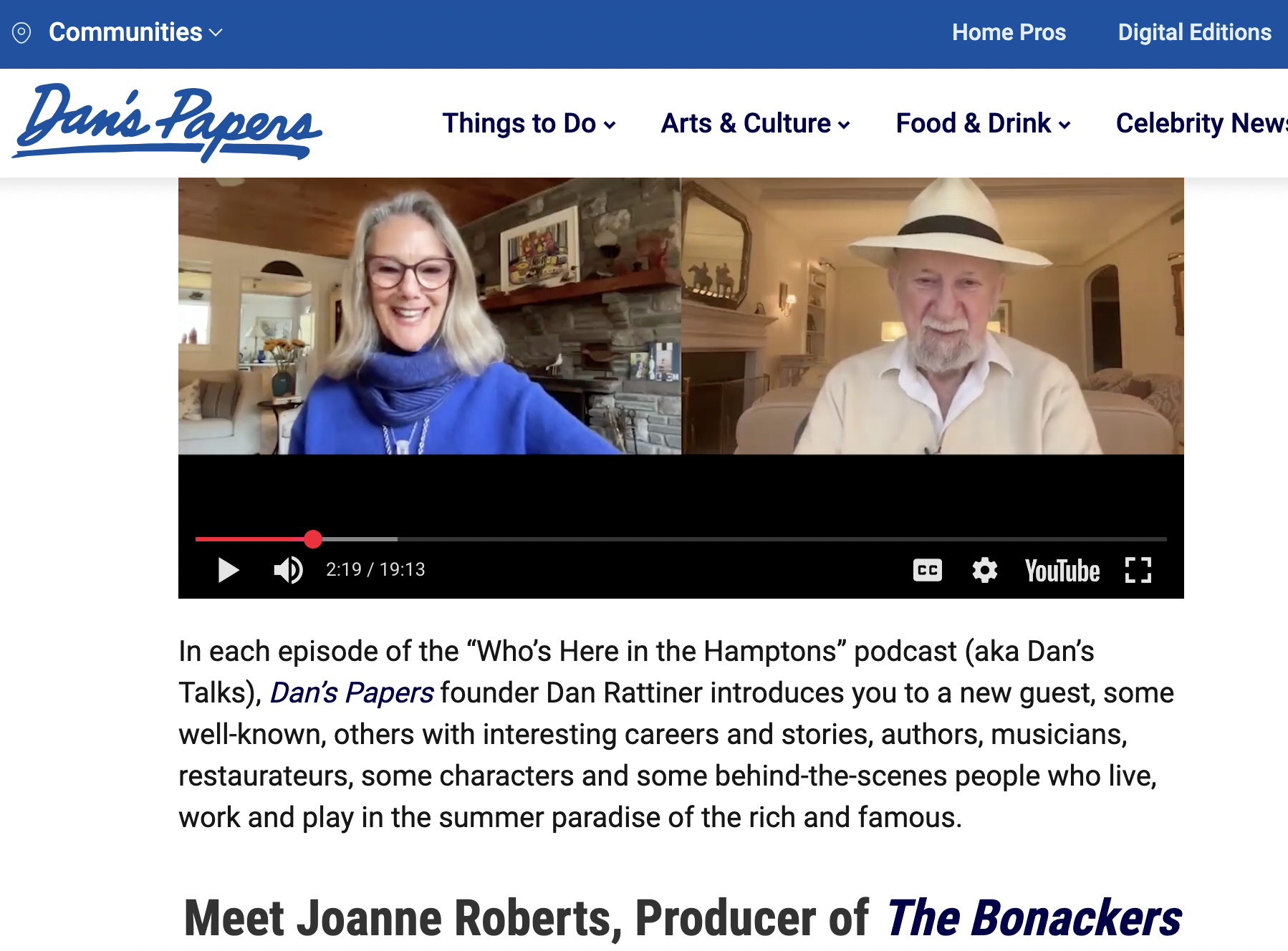
DAN’S PAPERS VIDEO PODCAST: Dan Rattiner’s Interview with Joanne Friedland Roberts
Dan’s Papers Founder, Dan Rattiner’s interview with Joanne took place after he attended THE BONACKERS sold-out screening at the Amagansett Life Saving and Coast Guard Station on October 25, 2025……
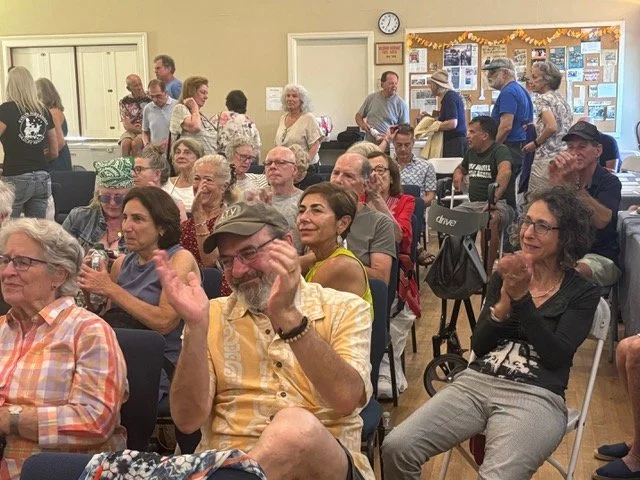
PBS Documentary ‘The Bonackers’ Screens June 29, 2025 in Springs for Library’s 50th Anniversary
“The Bonackers,” the acclaimed PBS documentary will screen Saturday, June 29, at 6 p.m. as part of the Springs Library and Historical Society’s 50th anniversary celebration. “The Bonackers” has earned widespread praise from longtime locals and second-homeowners alike for its emotional depth and celebration of East End heritage….
“The Bonackers,” the acclaimed PBS documentary exploring the lives and legacy of East Hampton’s storied Bonac fishing community, will screen Saturday, June 29, at 6 p.m. as part of the Springs Library and Historical Society’s 50th anniversary celebration.
The free public screening will take place at Springs Presbyterian Church, located just across the green from the library. A discussion with the film’s creator will follow the screening.
Originally broadcast on WLIW21, “The Bonackers” has earned widespread praise from longtime locals and second-homeowners alike for its emotional depth and celebration of East End heritage. The post-broadcast interview with PBS News anchor Hari Sreenivasan further explored the future of the project and highlighted the community’s significance.
The documentary, now available to stream on PBS Passport and Kanopy, features candid reflections from Bonac families, historians and artists who paint a portrait of a vanishing way of life shaped by tradition, resilience and the tides.
Springs Presbyterian Church is at 5 Old Stone Highway in East Hampton. For more information, visit springshistoricalsociety.org.
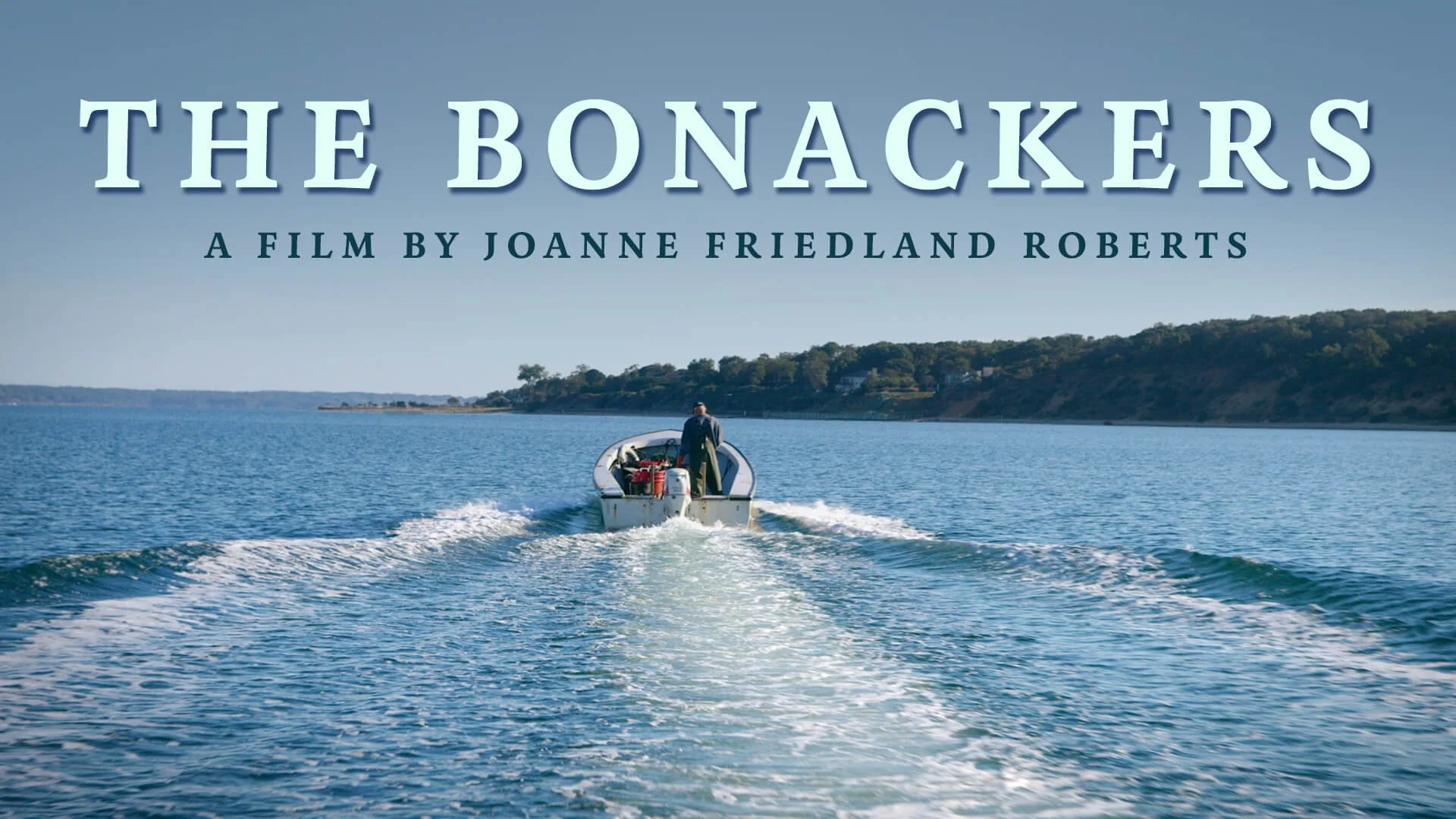
THE BONACKERS PBS Premiere Broadcast on WLIW-TV/ The WNET Group
The Bonackers premieres Thursday, April 24 at 8 p.m. on WLIW-TV followed at 9 p.m. by PBS News Anchor Hari Sreenivasans’s Conversation with Joanne Friedland-Roberts, an interview with the director. Meet Long Island’s fiercely independent men and women whose families have cultivated the land and seas of the East End for almost 400 years…..
The Bonackers premieres Thursday, April 24 at 8 p.m. on WLIW and www.wliw.org/live, followed at 9 p.m. by Conversation with Joanne Friedland-Roberts, an interview with the director. See all broadcast dates.
Meet Long Island’s fiercely independent men and women whose families have cultivated the land and seas of the East End for almost 400 years in the one-hour local documentary, The Bonackers, directed by Joanne Friedland-Roberts.
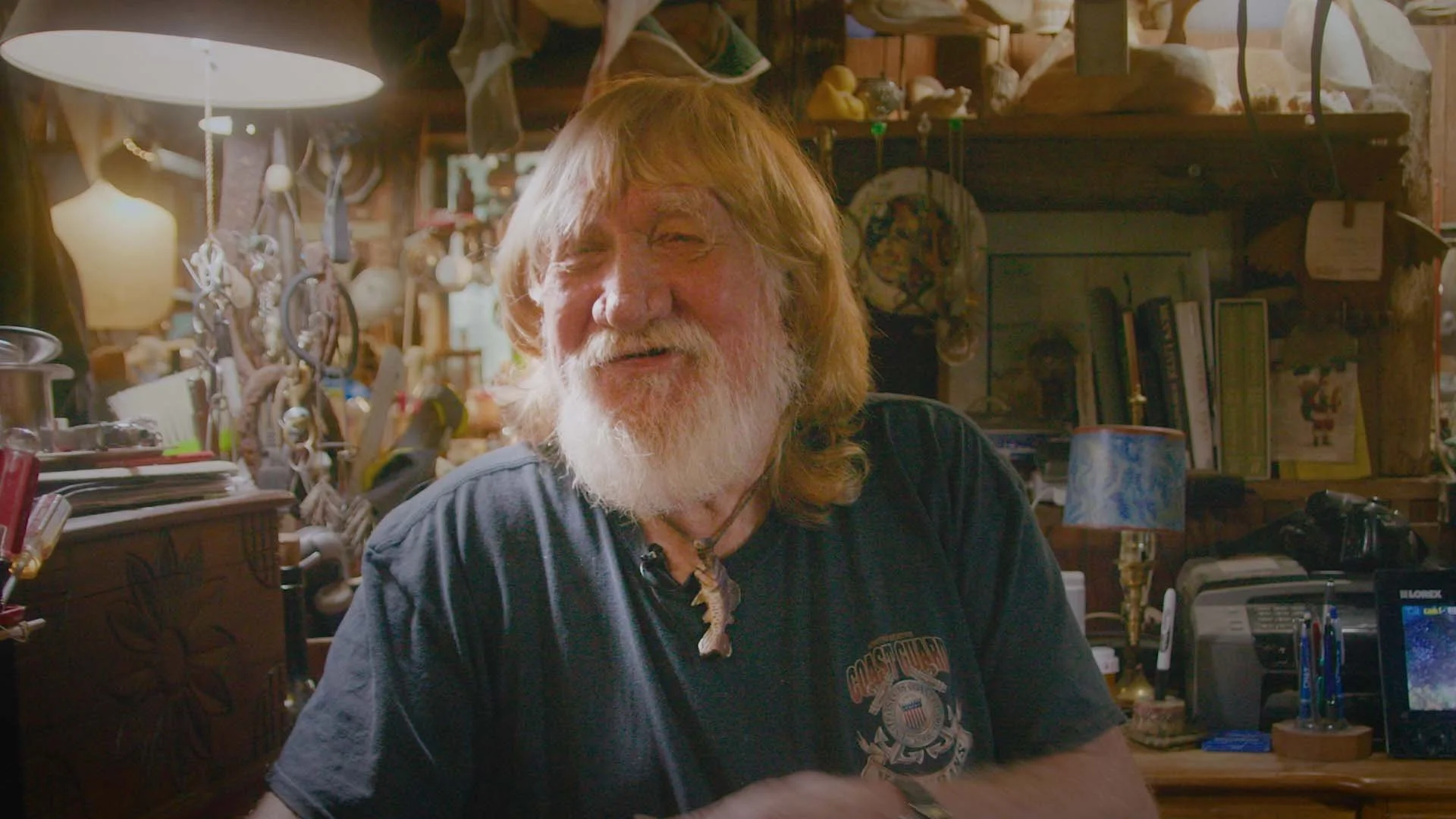
Struggling to survive in the midst of the mansion-filled Hamptons, these farmers and fishers may well be the last of their kind. Some younger generations take up the family business, but most are forced to seek more stable jobs and move to more affordable areas of Long Island. The Bonackers must decide if they can sustain the hunter-gatherer lifestyle, or if leaving the land that has been in their families for hundreds of years is not just prudent, but inevitable.
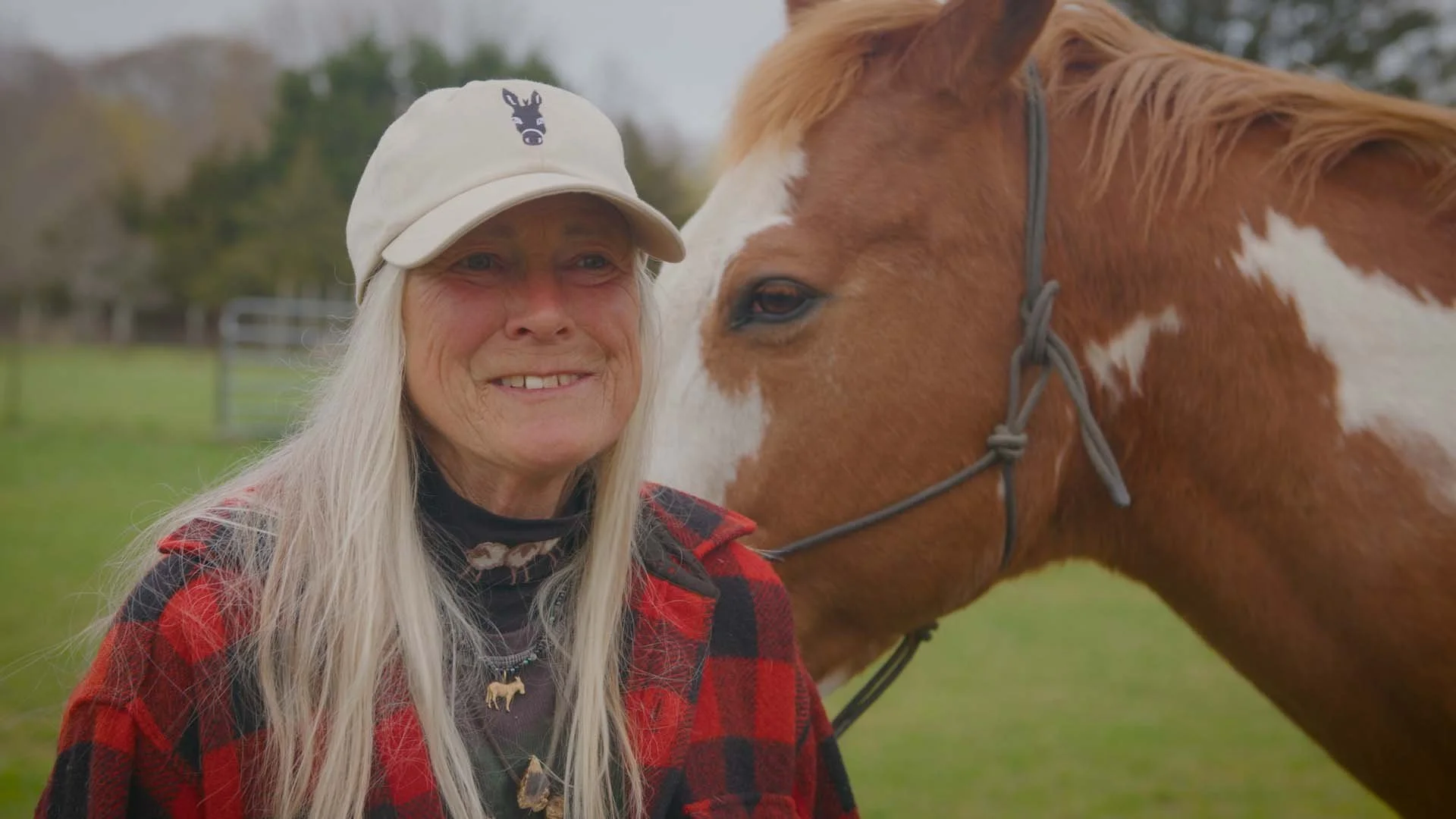
The Bonackers’ traditions, wisdom, challenges, stories and sagas unfold as we head out onto their boats and bays and into their pick-up trucks, farms and fields. Director Joanne Friendland Roberts investigates the nuance of the term “bonacker” from the perspective of “old bubbies,” young locals, “Posey Lesters,” and town historians. Woven into the film are historic footage and photographs and the songs of East End musicians which show the decades-old fascination with the region’s – and nation’s – first European settlers.
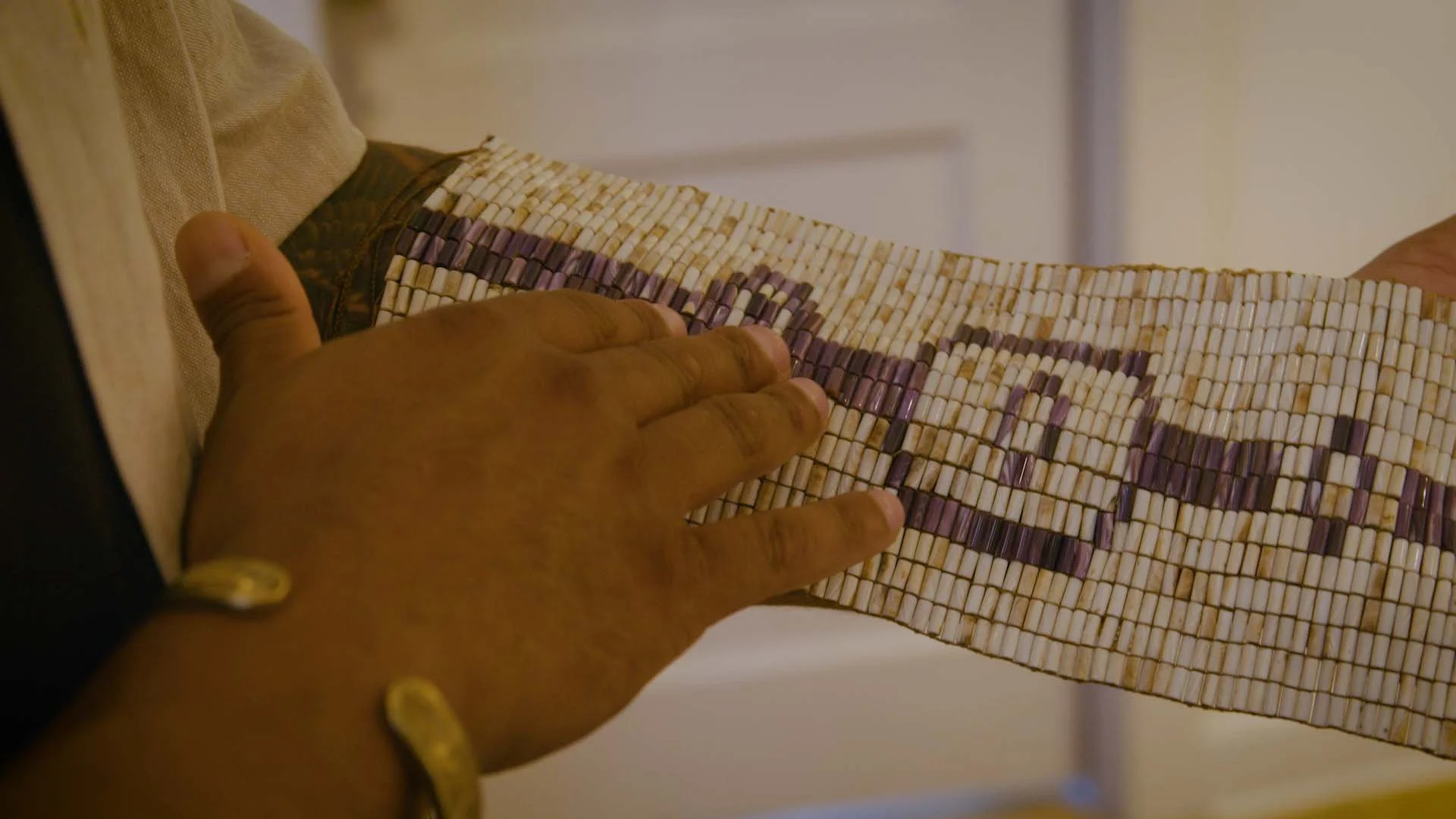
Between the effects of a changing climate, the rising cost of living in the Hamptons, and the decline of their cultural identity, can the Bonackers endure the escalating hardships they experience year after year, passing the lifestyle on to future generations? Will they adapt to the presence of newcomers at the risk of losing the connection to the land and water they valued for so long?
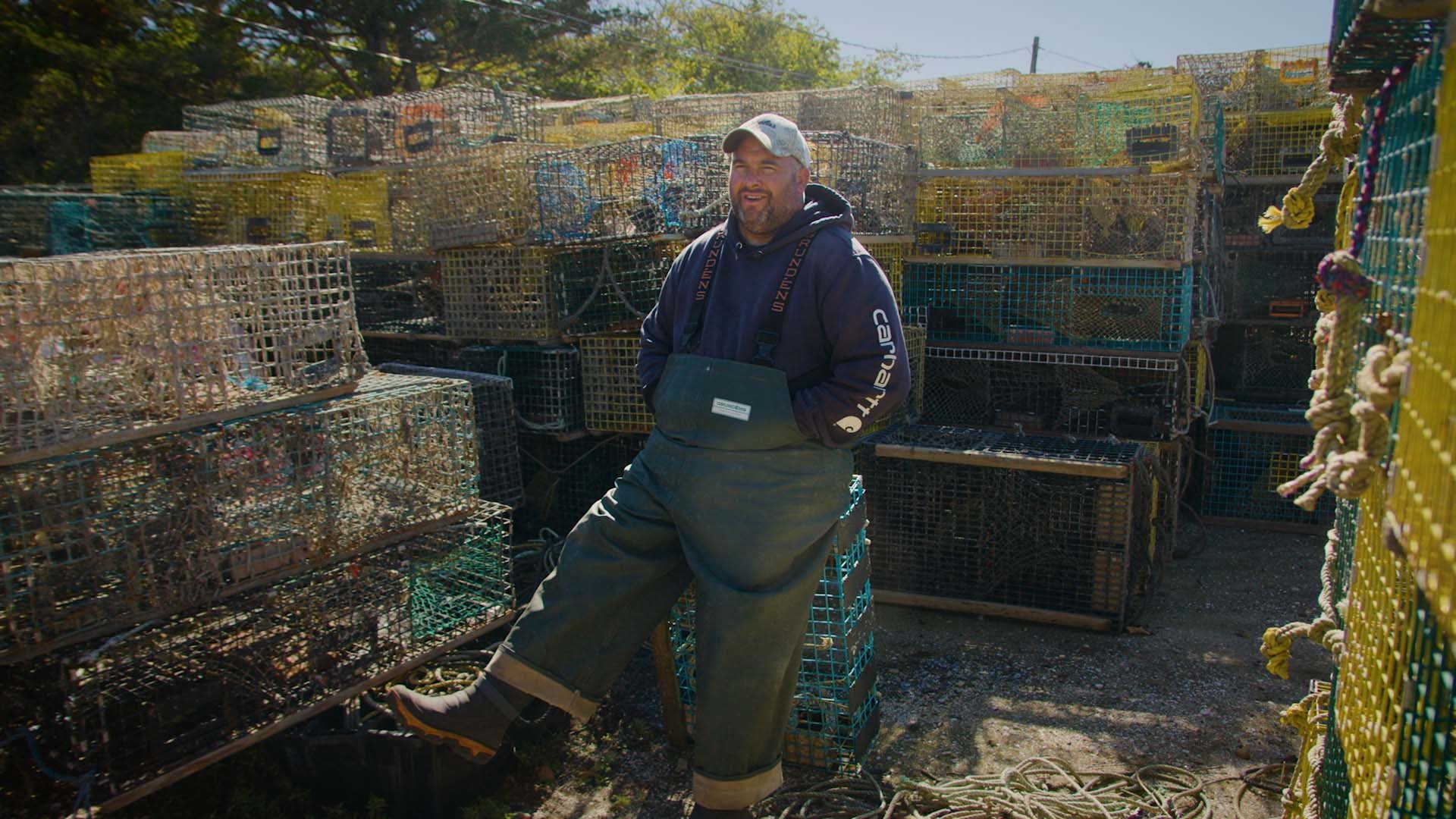
This one-hour documentary inspires us to think more deeply about what we stand to lose if centuries-old cultures disappear, only to be found in the halls of museums. At its core, TheBonackers encourages introspection on what kind of relationship with our local community and natural resources we want to cultivate.
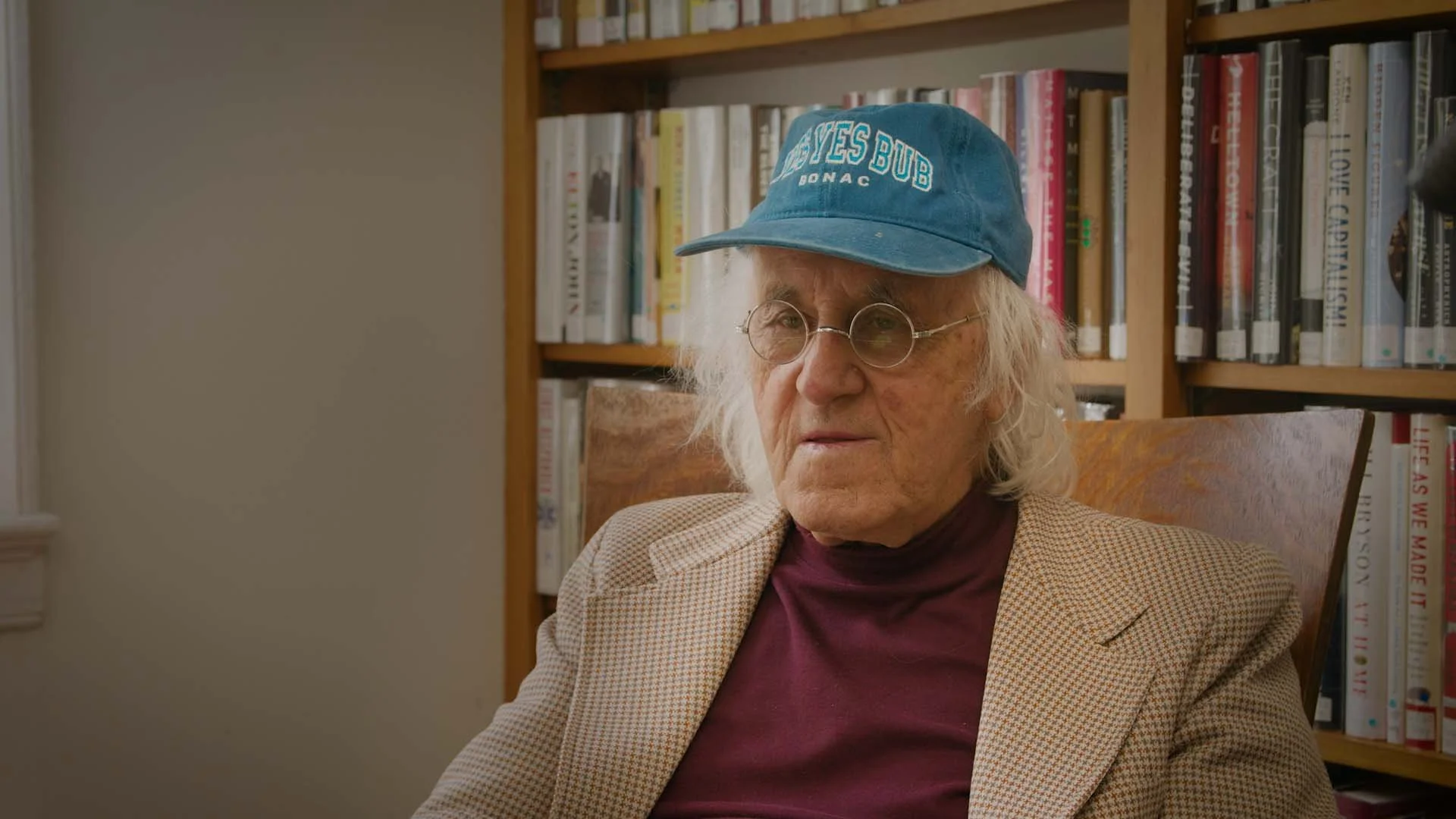
Stay tuned after the documentary premiere on Thursday, April 24 for an interview between Hari Sreenivasan (Amanpour and Company) and the director. Conversation with Joanne Friedland-Roberts will air from 9-9:30 p.m.
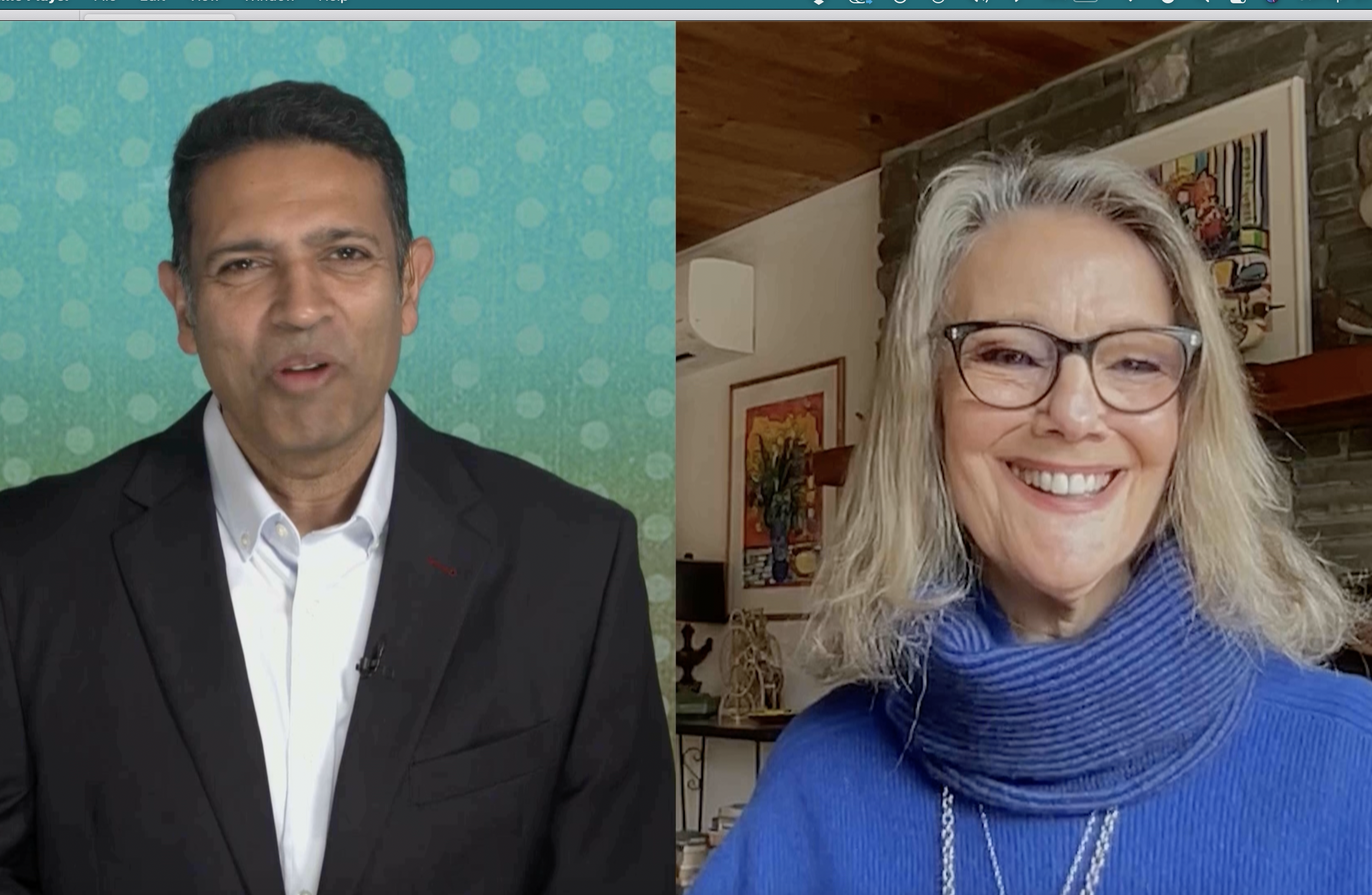
WATCH: Hari Sreenivasan Interview with Joanne Friedland Roberts
A conversation with Joanne Friedland Roberts and Hari Sreenivasan following the April 24th screening on WLIW PBS
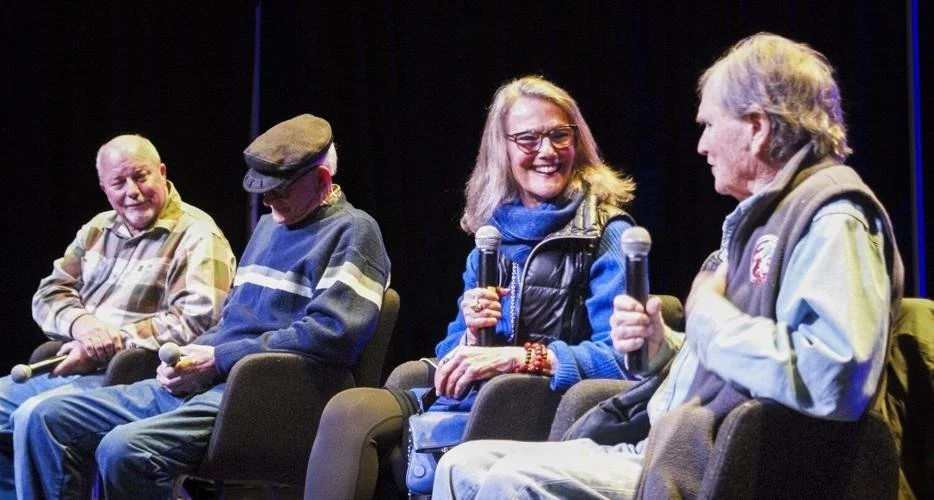
LTV Screens Premiere of 'The Bonackers' Documentary
“The Bonackers” is an hourlong documentary that features families with traditions and values that have held an identity all of their own, while living and fishing around Accabonac Creek for more than a dozen generations. More than 200 people watched the documentary’s premiere screening at LTV Studios in Wainscott….
It began on a smartphone a few years ago — recording several stories told between neighbors.
“The Bonackers” is an hourlong documentary that features families with traditions and values that have held an identity all of their own, while living and fishing around Accabonac Creek for more than a dozen generations.
More than 200 people watched the documentary’s premiere screening at LTV Studios in Wainscott on Friday, December 20.
Joanne Friedland Roberts, the film’s director and producer, said the documentary is a tribute to the legacy of her neighbors.
After moving to the East End in the late 1980s, Roberts made friends with her next-door neighbor, Dave Bennett, an 11th-generation fisherman turned woodcarver and decoy collector in Springs. That friendship introduced her to Suzie Petykowski, then to fisherman Brent Bennett and clam shell carver Albie Lester, as well as many others.
Soon, stories from around the neighborhood began to take shape into a concept for a film.
“I have certainly learned a lot talking to everybody as a newcomer, and I’ve only been here close to 40 years,” Roberts laughed. “It’s truly soul-satisfying to share our film in a room filled with so many people who’ve been part of the project from the beginning. And it was wonderful to open so many other people’s eyes to a community they didn’t know very much about at all.”
After compiling her smartphone recordings, Roberts, a former national television producer, developed a $350,000 budget for the feature-length film, and obtained a tax-exemption for The Bonackers Project to raise funds through the New York Foundation for the Arts. Roberts said she completed the project for less than $50,000.
Her daughter, Lola Friedland Roberts, connected her with Genie Chipps Henderson, LTV’s archivist, who she interned for many years ago. The three of them poured over more than 30,000 shows that have been filmed at LTV to find historic images to use in the film.
“Our voices are so, so important because as we all know our town is really unique,” Henderson said. “It’s one of the oldest towns in North America and has an amazing history. It has a diverse community and known throughout the world as ‘The Hamptons,’ but we know that we are more than that.”
The documentary follows the oral history of the Bennetts, Lesters, Poseys, Millers and other Springs families who have passed down their knowledge of local fishing, clamming and agriculture from generation to generation, with context provided by East Hampton Village Historian Hugh King and Shane Weeks of the Shinnecock Nation.
They point to several hurdles that challenge today’s young people from being able to realistically follow in their forefather’s footsteps, including strong federal and state regulations, rising cost of living, economic competition, and encroaching development from their neighbors — some of whom are family — that cannot afford to stay and decide to sell.
During the panel discussion after the screening, Arnold Leo, a former head of the East Hampton Baymen’s Association, recalled a segment of the documentary that used LTV archive footage of the striped bass protests of July 1990-92, which included the arrest of baymen alongside musician Billy Joel.
“We have been down this road before,” Leo said. “There actually is a, sort of, a hard core of guys — some old or young — who are absolutely determined to fish in the traditional ways. And they’ll make it work.
“But you have double emphasized the great loss of communal life in a country where corporations are taking over everything, and we’re losing this lifestyle throughout the country, and in farming and fishing communities,” he said to Roberts.
Regulations on striped bass still make a hard day’s work even more difficult, Brent Bennett said. He is featured in the film catching, measuring and throwing back fish that fail to meet state standards.
“This is what I’ve been doing all my life, you know what I mean? Fishing is my way of life,” Bennett said. “You don’t think about it — you just want to be able to get enough one day to go to the next day. That’s all.
“I’ve taken my grandchildren and stuff with me now, and they’re not going to be able to do it to provide because of the way things are today,” he continued.
Roberts said she hoped that efforts in the last few years to document and preserve Springs history through The Bonacker Project, the Peter Matthiessen Center — named for the author of the classic 1986 book “Men’s Lives” — and institutions, like the Springs Historical Society & Community Library will encourage a sense of community.
Take Don Eames Jr. for example, who along with his father was interviewed as part of the Men’s Lives project. He had left fishing on the South Fork for an opportunity that eventually led him to Houston. He reflected as part of the documentary: “I think we all understand that this [film] is progress … I think you did a phenomenal job.
“But the sense that in the real community of East Hampton, we all took care of each other in a roundabout way. And then things changed and they stopped us from fishing, and the farmers sold their land, and all these multimillion-dollar mansions went up. We need to archive what was here before,” Eames said. “Because eventually, we’re all going to be gone.”
Roberts shared that her plan is to eventually distribute the film on a range of local PBS stations and streaming services. But she has already been in touch with a number of cultural and historical institutions, along with libraries and schools on the East End, that are interested in screening the documentary. A schedule will be available on The Bonackers Project website.
“I wanted to in the film end on a somewhat hopeful note, that maybe there is a way to emulate the farm-to-table movement with dock-to-dish, or to bring processing plants out here so that the fish doesn’t have to go all the way to the city, creating more jobs for young people,” Roberts said.
“I always like to create community outreach around the content I create,” she added.
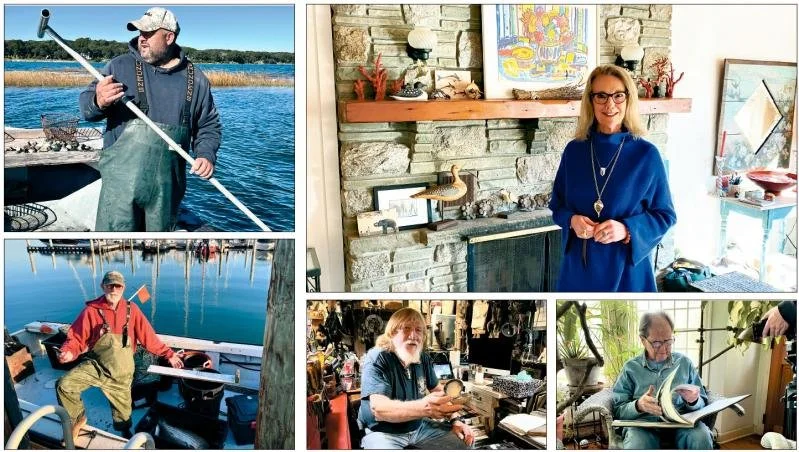
Introducing ‘The Bonackers’
The bad news is that Friday’s premiere screening at LTV Studios of Joanne Friedland Roberts’s documentary “The Bonackers” is sold out. The good news is that the 60-minute film about the men and women who have fished and farmed the East End for almost 400 years is so compelling, and so seamlessly put together…
The bad news is that Friday’s premiere screening at LTV Studios of Joanne Friedland Roberts’s documentary “The Bonackers” is sold out.
The good news is that the 60-minute film about the men and women who have fished and farmed the East End for almost 400 years is so compelling, and so seamlessly put together from interviews, archival footage, and photographs from private collections, that LTV is hoping to schedule another screening in the near future.
During a conversation at her Springs house, Ms. Roberts discussed the genesis of the project. “I was meeting all these people and I thought they were fascinating, and when I was talking to my friends about it, none of them knew about the Bonackers, even though they lived in the Hamptons. I was like, ‘Are you kidding me?’ And they asked, ‘What’s a Bonacker?’ I thought, ‘I’m changing this.’ So I started doing these community gatherings.”
The first Celebrating Bonac event happened at the Arts Center at Duck Creek in Springs in October 2023. At that event, baymen and other longtime locals shared stories, songs, and traditions, including centuries-old crafts such as decoy carving, fishing traps, and wampum jewelry.
By then Ms. Friedland, who had worked in television for many years, had already begun filming with her iPhone. Many of the locals at that event, including Albie Lester, Brent Bennett, Dave Bennett, and Arnold Leo, either had been filmed or would have prominent roles in the finished film. Four more community events followed, concluding last October with a program at the Springs Historical Society and Community Library.
The roots of the project can be traced to the 1980s, when Ms. Friedland’s parents rented a house on Louse Point in Springs. Dave Bennett did the landscaping and served as a caretaker for the property.
When she moved to Barnes Landing in 1995, she discovered that Dave Bennett was her next-door neighbor, and they reconnected. (There are so many different Bennetts, Lesters, Millers, and other first families in the film that first names, rather than honorifics, are critical.)
An 11th-generation Bennett, Dave appears briefly in the film carving decoys. Ms. Roberts said he has a veritable decoy museum in his basement, with hundreds he has carved himself and collected up and down the East Coast.
Dave introduced Ms. Roberts to Suzie Petykowski, one of his closest friends. She in turn introduced Ms. Roberts to Brent Bennett and Albie Lester, and that’s how the project took shape, “one person leading to the next,” said Ms. Roberts.
In addition to the chain of introductions to members of the Bennett, Miller, Lester, and other families, Ms. Roberts’s daughter, Lola, was working at LTV helping Genie Henderson organize the archives, which contain interviews with baymen and Bonackers, as well as film footage of an older East Hampton.
“Genie put together all of this really cool footage on a hard drive, so I started thinking, okay, I have to raise money.” With the help of Don Lenzer, a documentary director and cinematographer who also lives on the South Fork, Ms. Roberts put together an eight-minute concept trailer that outlined the scope of the project and included footage she had already shot with her iPhone.
She developed a typical television budget for a one-hour documentary — $350,000 — and applied to the New York Foundation for the Arts for fiscal sponsorship, which allows artists and organizations to raise funds using NYFA’s tax-exempt status.
As the pieces were starting to come together in October 2023, she went to a screening of “Forgotten Founders: David Hempstead, Senior,” a short documentary about the slave who was born in Southold around 1774 and freed upon his owner’s death in 1805. The film was directed by Sam Hamilton and Julian Alvarez, who met at the Ross School.
“I told Julian what I was doing and that we had just had a community gathering.” They started filming that month, and wound up, a little more than a year later, with approximately 30 hours of footage. Because the crew was so small — Mr. Alvarez, director of photography, Mr. Hamilton, editor, and Amelia Garner, story editor — the film came in for less than $50,000, a fact that’s hard to believe given the quality of the production.
The film opens with a short segment featuring archival footage of Stuart Vorpahl taking some sea robins out of his pound traps in 1985. “I don’t work for any union,” he says. “I don’t have any sick pay. I don’t have any vacation time. None of that trash, just go to work, that’s all.”
What was true for Vorpahl, whose fish packing station set up in 1955 became Stuart’s Seafood Market in Amagansett, is true for many of the fishermen and farmers interviewed in “The Bonackers.”
Brent Bennett, an 11th-generation Bennett and Lester, quit school at 16. Filmed at his pound traps, he says, “The principal said to me, ‘You’ll be sorry.’ And I said, ‘I don’t think so. You can’t teach me what I want to know.’ And I’ve been fishing ever since.”
Later in the film, his grandson Will Lester Bennett says fishing is a hard way to make a living, but nothing else has made him as happy. “You’re away from everyone, you’re away from the chaotic things of this place. You don’t have to see anyone. The day I stop fishing is the day they put me in the ground.”
Charlie Niggles, who married Lisa Lester of the Round Swamp Farm Lesters, is both a fisherman and a farmer. Seen in the family’s acreage off Three Mile Harbor Road, he catalogs the costs of fishing and farming, including having to pay for his own health insurance, but says, “I can survive on either.”
Context is provided by extensive interviews with Hugh King, the East Hampton Village Historian and historic site director. Over footage of old East Hampton, Mr. King notes that in the 17th century farmers “started trekking down to Accabonac because of the salt hay there. Small farming, fishing, raising animals, I think that’s where Springs began.” He adds that originally “Bonackers” was a term of derision, but, he adds, “Bonacker is a revered term now.”
Arnold Leo is another major figure in the film. After losing his job at Grove Press in New York, he moved to his cottage on Accabonac Harbor, became interested in the issues facing baymen, and eventually became head of the East Hampton Baymen’s Association. As such he was deeply involved in the group’s struggles against what they considered overregulation of commercial fishing. Peter Matthiessen, the author of “Men’s Lives,” and the musician Billy Joel also appear in archival footage in connection with that issue.
The film immerses the viewer in the world of its subjects, whether on the water or on land, where they talk about how and why they work, and the challenges they face. Collectively, they form a portrait of resilience and determination while at the same time not harboring delusions about what Hugh King called “a hard-knock life.”
While “The Bonackers” is Ms. Roberts’s first directing credit, much of her career has been spent in the television industry. After college, she taught for several years before landing a job as an “assistant to an assistant editor” at Universal Commercial Industrial Films in Los Angeles.
That led to a job as production manager, which in turn led her back to New York City, where she produced “The Lives We Live,” a daily CBS talk show for women. She was hired by the Children’s Television Workshop (now Sesame Workshop) for “3-2-1 Contact,” a science education show for children, and went on to produce “Dr. Fad,” which featured Ken Hakuta, the inventor of the Wacky Wall Walkers, and had a six-year run.
While other shows followed on television and online, she eventually created, with Peggy Doyle, What Now What Next, which was aimed at helping women entrepreneurs launch and grow their small businesses.
But after 10 years the partners closed the business in order to pursue other interests. For Ms. Roberts, who said, “One of the things that drives me is that I like to learn new things, and when I learn them I like to share them,” the next new thing was “The Bonackers.”
Excerpt of Bonac History Documentary Debuts at Springs Fest
Hugh King is not a Bonacker — that is, he said, someone who grew up around Accabonac Creek in Springs, north of the Long Island Rail Road bridge, and likely whose family has a long history of living there.
Bonackers are believed to be from the descendants of early settlers of East Hampton. Their children became the baymen and women who forged the close-knit community that is praised even to this day for its cultural and historical significance…
Hugh King is not a Bonacker — that is, he said, someone who grew up around Accabonac Creek in Springs, north of the Long Island Rail Road bridge, and likely whose family has a long history of living there.
Bonackers are believed to be from the descendants of early settlers of East Hampton. Their children became the baymen and women who forged the close-knit community that is praised even to this day for its cultural and historical significance, King said.
“The first families settled right around the green where the town pond is and cemetery is, and immediately they began trekking down the Accabonac,” said King, a retired teacher and East Hampton Village historian who is featured in an upcoming documentary about life and culture in the area. “That’s where, I believe, Springs began … That’s why they are called ‘Bonackers.’”
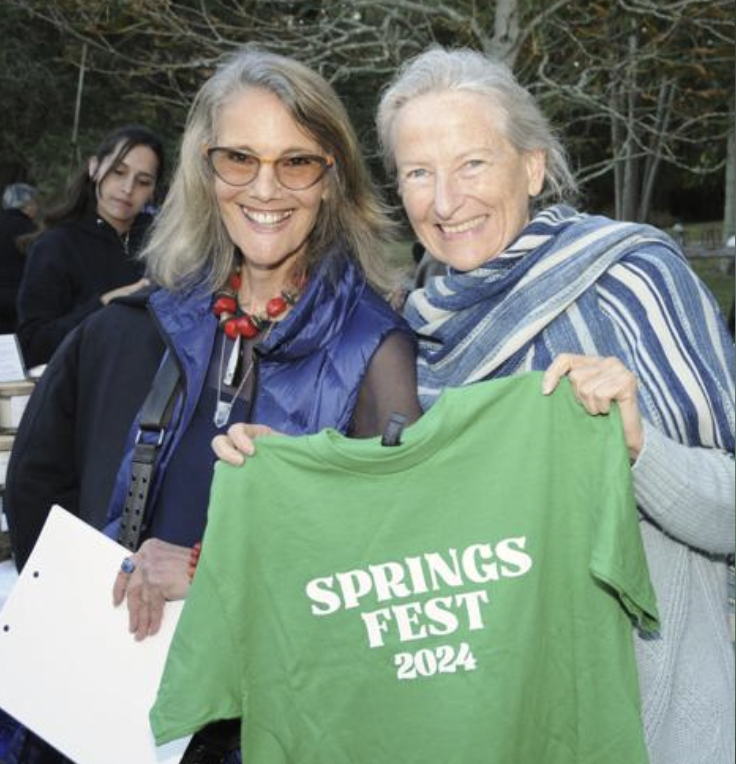
A short screening of the film “The Bonackers,” directed and produced by Joanne Friedland Roberts, headlined SpringsFest over the weekend.
The two-day event celebrated the cultural, historical, and spiritual significance of the Springs Historic District, which included music by Real East End Brass and Hopefully Forgiven, as well as food trucks and beverages set up along the Blacksmiths Shop, Ashawagh Hall and Community Presbyterian Church on Parsons Place.
Just down the road are the Springs General Store and the Pollock-Krasner House, the former home and studio of the two abstract painters and National Historic Landmark maintained by Stony Brook University.
“I’d like to introduce you to what we call ‘Heart of Springs,’” said Deanna Tikkanen, the president of the Springs Historical Society and Community Library.
“This is an important part of our community, and we need to know how our community is,” Tikkanen said. “While it has changed so much over my lifetime, history gives people a sense of belonging to your community.”
In the 17th century, the Springs neighborhood was based on fishing, with some farming and whaling. They learned to survive, and later thrive with commercial sales reaching New York City and into New England, thanks to the Montaukett people, who were the original inhabitants of Springs. The Village of East Hampton was later founded in 1648.
The community was isolated from the rest of the South Fork until the late 20th century. In 1945, artists Jackson Pollock and Lee Krasner moved to Springs, which led to the creation of an enclave of artists and writers in the area.
For Roberts, the creator of the film “The Bonackers” and an organizer of the “Celebrating Bonac: The Arts, Culture, and Traditions of the Springs” event, she said preserving Springs history is a community effort.
She started shooting on her iPhone before raising money at local events, and by last October, she brought a small film crew to the bays, farms and fields which the families of the exhibitors at Springs Fest called home. The full documentary — featuring archival film from LTV-East Hampton and photographs preserved by the Historical Society — is expected to be released in the new year.
“It’s amazing to me how many of you have come together to share your traditions and your wisdom and your art,” Roberts said. “This whole community has really come together to enjoy each other.”
David Bennet brought a few dozen pieces from his few hundred piece decoy collection, featuring hand-carved birds, ducks and other waterfowl in vibrant and realistic colors. Albie Lester showcased his wampum, shell-carvings that were produced after a lifetime as a Bonacker fisherman.
Bess Rattray, in collaboration with the Peter Matthiessen Center, read from Matthiessen’s “Men’s Lives,” sponsored by Adelaide de Menil and The Rock Foundation, about the disappearing way of life of eastern Long Island fishermen.
“I think his words are more valuable than ever, but this kind of life is more under threat than it ever has been,” said Alex Matthiessen, the author’s son and an environmentalist living in Sagaponack. “There is so much money out here. There is so much materialism. There is a disconnect that we have with the source of our food and the cultural connections that the community here has been able to preserve in Springs.”
Shane Weeks, of the Shinnecock Nation, shared relics from the whaling days, along with his artwork and other Indigenous artifacts. Patty Collins Sales exhibited her whelk art collection, and sold baked goods, too.
Brent Bennett hauled over a few pound traps, a type of fishing gear that uses a series of nets to catch fish. Historic photographs from the East Hampton Town Marine Museum aided his show-and-tell. Jimmy Bennet showed off his family’s antique clam rakes and discussed the challenges of shellfishing in the harbors today.
Prudence Hamilton Talmage Carabine exhibited a selection of her family’s quilt collection, which is now housed at the East Hampton Farm Museum.
“Our Springs families, the Montauketts who were pushed out of Montauk, and the freed Blacks from Gardiners Island, we built this town, and we built this town apparently in a way that everybody else in the world wants to come and live here,” Talmage Carabine said. “We built it with a sense of community and a sense of connectedness that is sadly lacking in this world today.
“We need to hold on to the story about how this place was built and how people treated each other. That’s all we can do,” she said.